

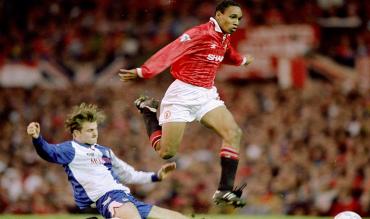

Modern football is faster, more structured, and more controlled than ever. Yet according to Paul Ince, those very changes are also the reason why some talented players struggle to truly fit in.
Ince has long been outspoken about mentality, leadership, and physicality at the highest level. And while the game continues to evolve, his views remain highly relevant today.
Talent vs System: Why “Fit” Still Matters
One of Ince’s strongest beliefs is that talent alone is never enough. A player can be technically gifted, intelligent on the ball, and admired by fans, but still fail to suit a specific system.
Modern football demands structure, discipline, and tactical awareness. Players are expected to understand spacing, pressing triggers, and transitional roles. When a system prioritizes physical presence or positional rigidity, technical flair alone won’t guarantee a regular place in the starting XI.
This is where many careers stall, not because of lack of ability, but because of a mismatch between player profile and tactical demands.
Leadership Has Changed — Not Always for the Better
Ince has often highlighted how leadership in football has shifted. Today’s game is more protected, more managed, and more controlled from the sidelines. While this has improved player welfare, it has also reduced the space for raw authority on the pitch.
Traditional leaders were vocal, confrontational, and demanding, holding teammates accountable in real time. In contrast, modern leadership is often quieter, delegated to systems, data, and coaching staff.
That doesn’t mean leaders no longer exist. It means leadership now looks different, and players must adapt their mentality just as much as their technical game.
Aggression Isn’t Recklessness
A common misunderstanding in elite sport is confusing aggression with chaos. Ince has always drawn a clear line between the two.
True aggression is controlled. It’s knowing when to press, when to commit, and when to stay disciplined. Players who cross that line often hurt the team more than they help it.
The best professionals understand emotional control, channeling intensity without losing structure or respect.
The Poker Parallel: Mentality Under Pressure
This mindset translates perfectly to poker.
Success at the table isn’t about constant aggression. It’s about timing, discipline, and reading situations, exactly like football at the highest level. Overcommitting, reacting emotionally, or chasing losses is the poker equivalent of diving into reckless tackles.
Strong poker players, like elite athletes, stay composed under pressure. They think ahead, manage risk, and strike only when the situation truly demands it.
Why These Lessons Still Matter
Football and poker may seem worlds apart, but both reward the same traits:
- Mental discipline
- Situational awareness
- Controlled aggression
- Long-term thinking
As the game continues to evolve, Ince’s message remains clear: adapting your mentality is just as important as refining your skills.
Talent opens doors. Mindset decides how far you go.
FAQ
What is Paul Ince’s view on modern football?
Paul Ince believes modern football relies heavily on systems, structure, and discipline, sometimes at the expense of traditional leadership and physical presence.
Why do some talented players struggle in top teams?
Because success depends on tactical fit, mentality, and system compatibility, not just individual ability.
How is leadership different in today’s game?
Leadership is now more structured and managed, with less emphasis on on-pitch authority and confrontation.
How does football mentality relate to poker?
Both require emotional control, timing, discipline, and the ability to make decisions under pressure without acting impulsively.
