

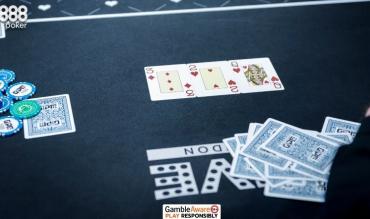

Flop c-betting is an essential part of most poker games. Despite this, strategy discussions tend to focus on c-betting variables in the wrong order.
For example, most discussions tend to start with poker hand strength.
If we have a nut gutshot, we should c-bet the flop.
This instruction may or may not be true; it depends on many other variables.
Let’s see if we can re-engineer our focus in a more incentivised direction.
C-betting - The Number 1 Indicator
The most significant indicator regarding whether we should fire a flop c-bet is often our position at the table.
Example #1 – Hijack open raise, BTN cold caller
GTO average c-bet frequency across all flops HJ vs BTN -> 25%
In poker, before we see any flop texture or hand strength, we should check the flop most of the time in the hijack vs button formation.
Things get even more extreme if we pick a mid-range connected flop texture.
GTO correct c-bet frequency on the 9d 7h 6h HJ vs BTN -> 0%
In the HJ vs BTN formation, a nut gutshot will mostly check, simply because the overall c-bet frequency is so low.
Example #2 – BTN open raise, BB cold caller
GTO average c-bet frequency across all flops BTN vs BB -> 56%
Since we now have position, we are slightly more likely to c-bet any given hand (although only just). Hands that might consider c-betting, such as draws, are now generally supposed to bet more often than they check.
Example #3 – HJ Calls vs BTN 3bet
GTO average c-bet frequency across all flops BTN vs HJ 3bet pot -> 82%
If we were to close our eyes and c-bet every single hand, we’d still be right most of the time. Even hands that sometimes check should mostly bet in this scenario.
Position/Formation – The Logical Starting Point
Of course, this discussion on c-betting isn’t complete; it’s just a starting point.
| By being aware of how often our overall strategy should c-bet based on the positions + actions, we immediately get closer to a theoretically correct GTO poker strategy with minimal effort. |
The traditional approach of focusing solely on hand strength (e.g., always c-bet top pair and better) can easily lead to strategies that directly conflict with theoretically correct play depending on the scenario.
By starting with variables that have the most significant impact, we improve at the fastest possible rate and avoid the need to overhaul previously learned ideas.
The Remaining Variables
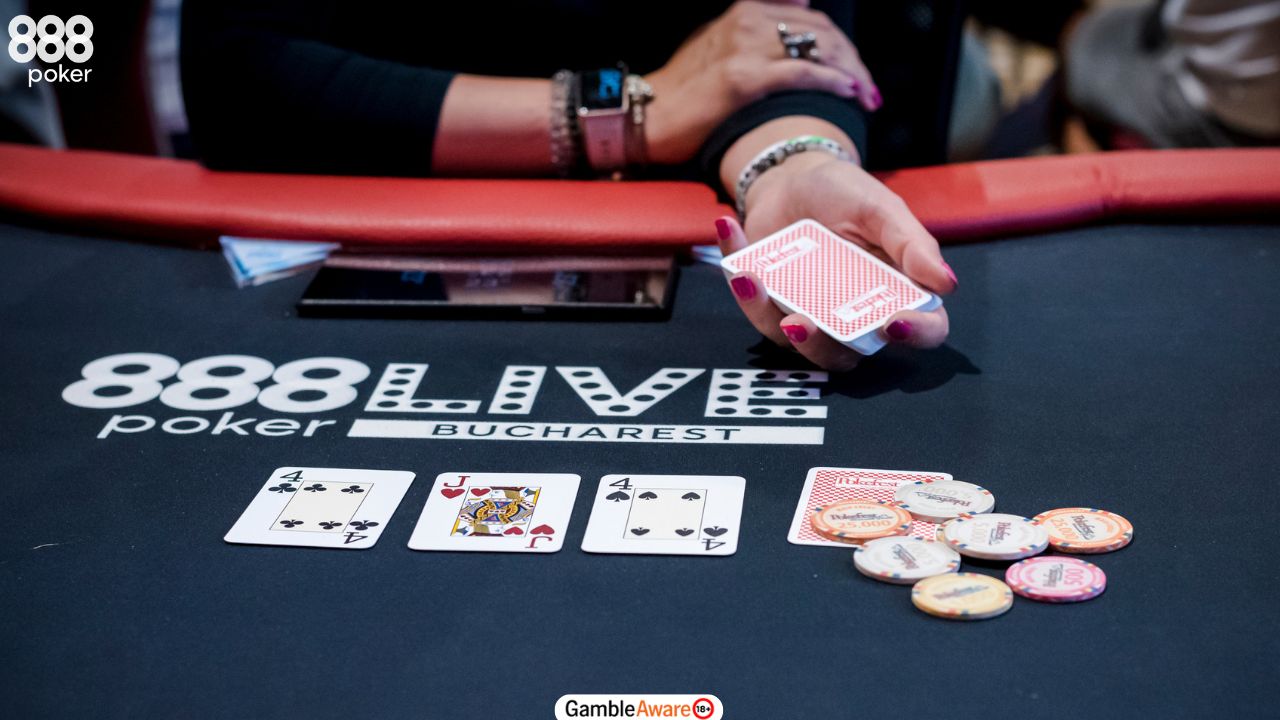
After considering our position/formation, we can refine our strategy by incorporating awareness of additional variables.
Ultimately, we incorporate all the following variables in our decision (roughly, in this order) -
- Textural Awareness – Different board textures have different associated c-bet frequencies, involving poker probability.
- Hand Strength – Some hands prefer to c-bet more/less often than others. Besides, exploitatively, we may want to always c-bet or always check with specific holdings, based on our opponent type.
- Opponent Tendencies – The best strategy will always consider Villain. If our opponent hardly ever folds to flop continuation bets, we’ll likely choose to fire our weak holdings less often.
C-betting isn't only about position. Discover why the board texture is a very significant factor.
